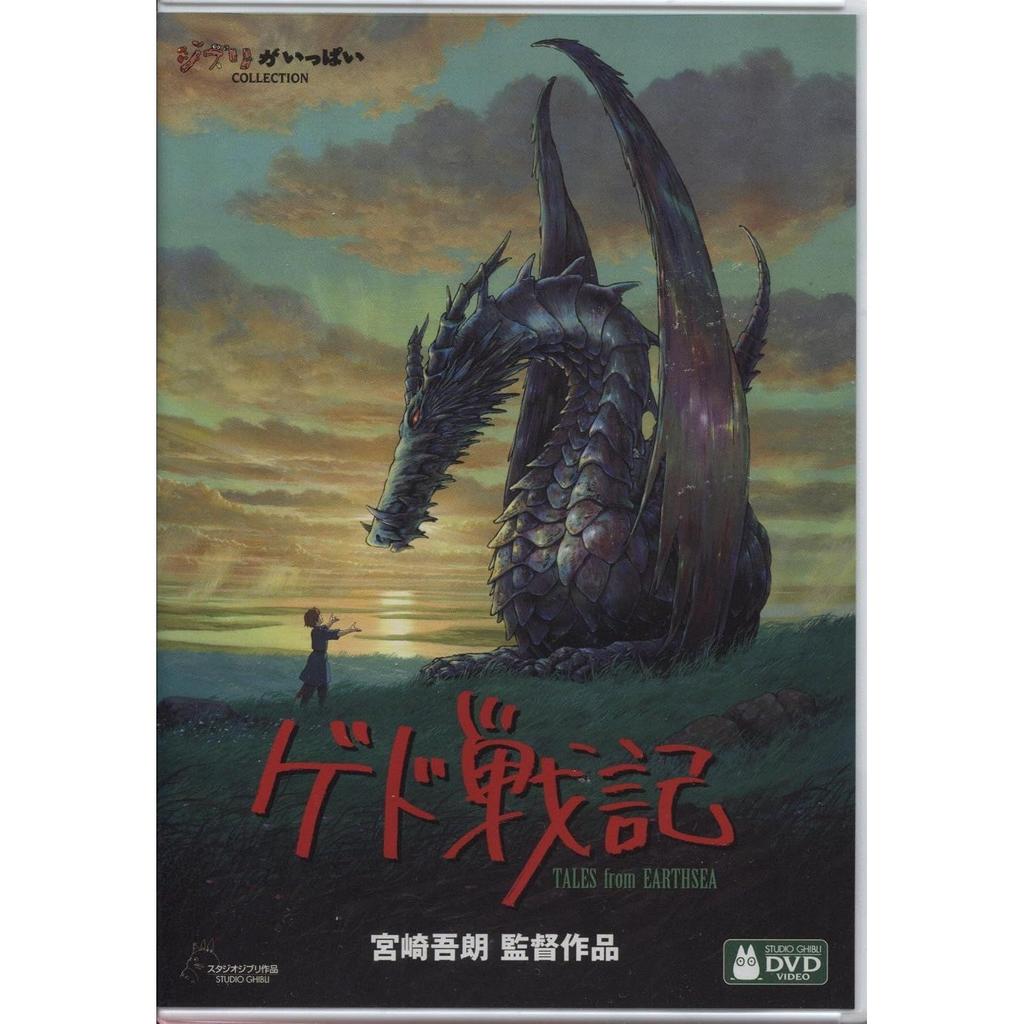
Product Introduction Ghibli Collection "Tales from Earthsea" A dragon dwelling at the edge of the western seas suddenly appears in the human world. In response, crops wither and livestock fall ill across various regions. The balance of the world is beginning to crumble. Ged, in search of the source of the calamity, encounters Prince Arren, who has abandoned his kingdom during his journey. The boy, burdened with darkness in his heart, is being pursued by an unknown "shadow." The two arrive at the city of Hort Town, where human trafficking occurs, drugs are rampant, and everything for is counterfeit. Although the surface seems cheerful and noisy, the faces passing by have lost their sense of reality. Wandering the streets, Arren saves a mysterious girl named Teru from a hunter, but she rejects him. Behind the calamity looming over the world is a man known as the Spider. This man, who fears "death" more than anyone, was once a great sorcerer who fought Ged and was defeated.
● Storyboards
● Theatrical Trailer Compilation
● Tales from Earthsea Sound Encyclopedia Vol. 1 "This is how 'Teru's Song' was born." Directed by Goro, the eldest son of Hayao Miyazaki, this work is intriguing just for that reason. The original story is a global and Hayao Miyazaki has openly stated that it greatly influenced works like "Nausicaä of the Valley of the Wind." Extracting the essence of the latter half of the six-volume series, it follows Prince Arren and the great sage Ged (Haitaka) as they explore the disturbances in the fictional world of Earthsea and their causes. Since the characters' pasts and motivations are not detailed, it is advisable to have some basic understanding of the setting before watching. Director Goro pursues themes of life and death from the original work, but the storytelling still lacks maturity. However, the beautifully painted visuals, such as the starry night sky and the subtly changing colors of dusk, are impressive. The overall color balance seems to reflect a conscious difference from past Ghibli works. Among the voice cast, Bunta Sugawara as Haitaka delivers a heavy performance. Aoi Teshima's transparent singing voice resonates deeply. While there are various points to critique, it is a work that I would like to warmly support as the debut directorial effort of a master’s son. (Hiroaki Saito)


 Zwrot w przypadku braku dostawy