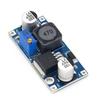
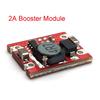
LM2596 Good
Applications:
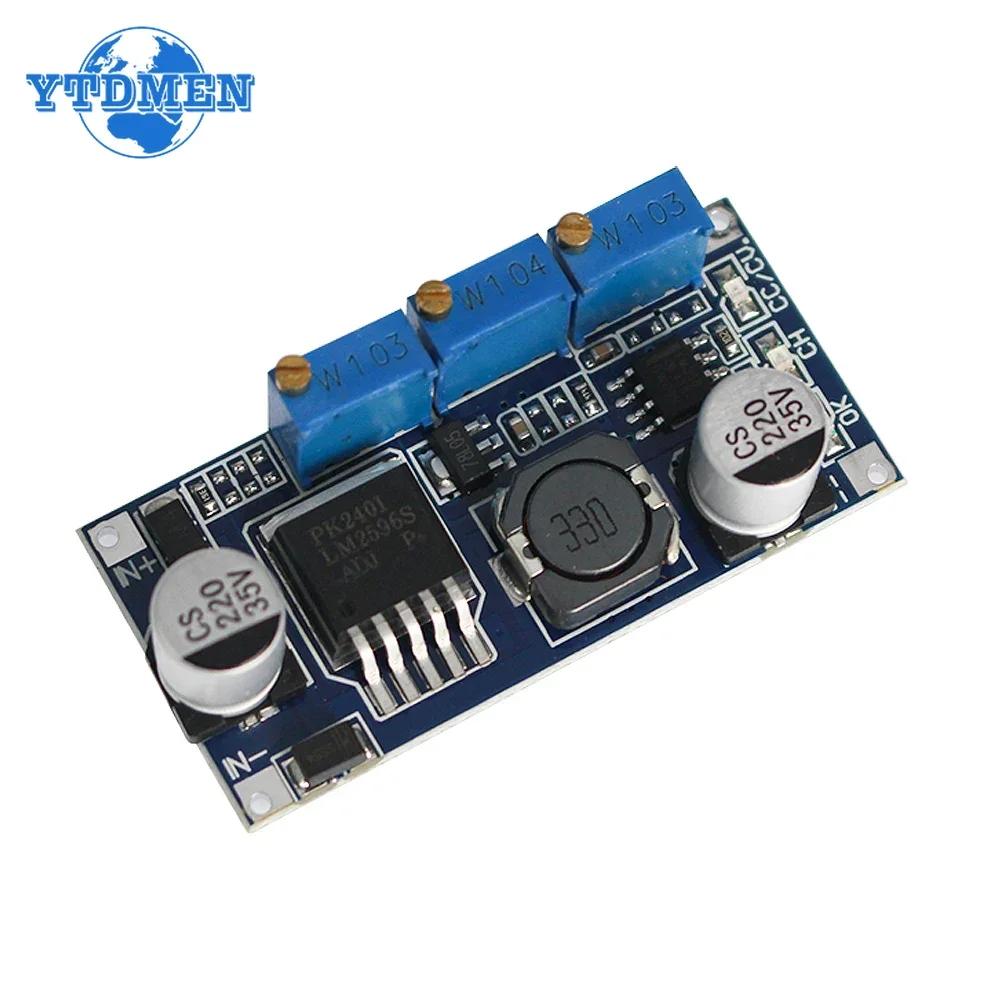
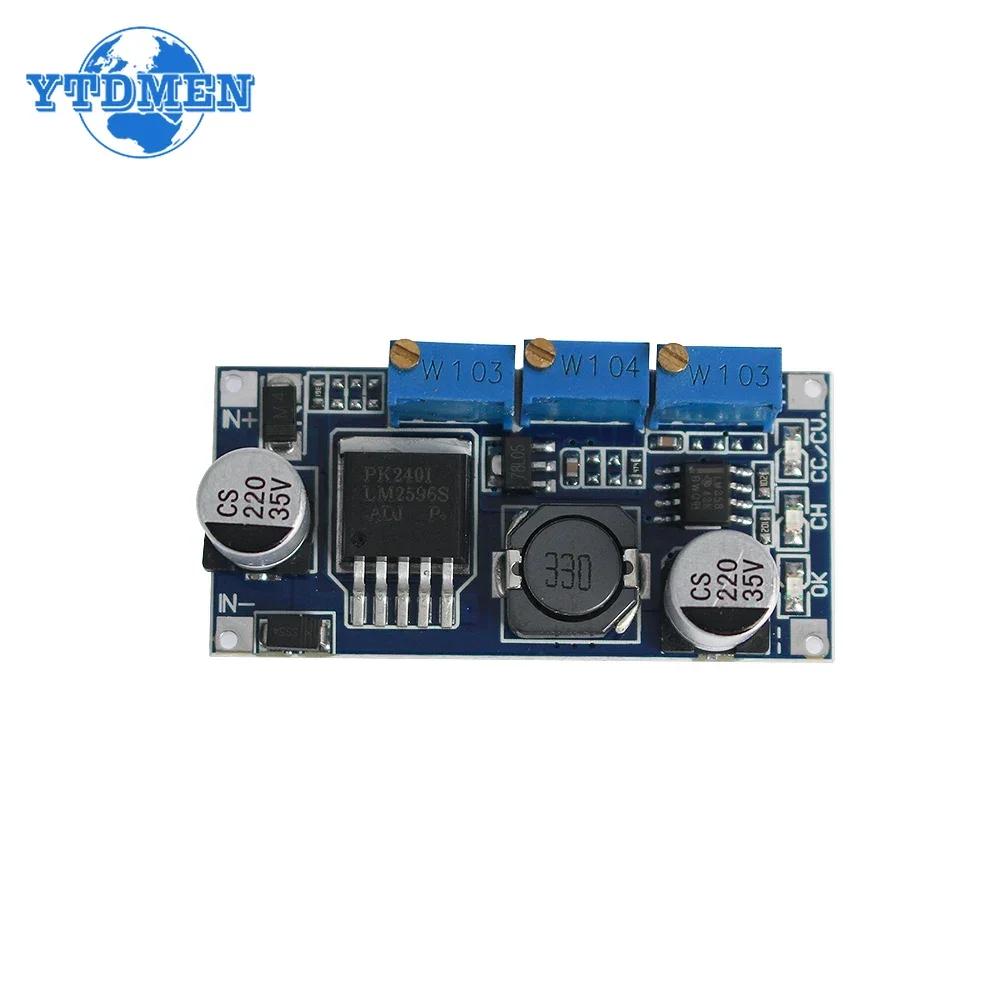
★Charging for lithium-ion batteries: When lithium-ion batteries in the lower voltage, if you directly use constant voltage charging, it will be due to the pressure difference, resulting in excessive charging current, resulting in damage to the battery, so the beginning of the battery should be used to charge the battery with a constant current, when charging to a certain extent when automatically switched back to constant voltage charging.
★Driving high-power LEDs: Due to the limitations of the LED power level, it is usually necessary to drive multiple LEDs at the same time in order to meet the brightness requirements, therefore, a specialized driver circuit is required to light up the LEDs, and this drive method is to use constant current drive.
★Other occasions where constant current output is required.
Product Parameters:
Module nature: non-isolated buck module
Input voltage: 7V-35V
Output current: adjustable 3A
Switching frequency: 150KHz
Load Adjustment Ratio: ±0.5%
Operating Temperature: -40℃ to +85
Rectification mode: non-synchronous rectification
Output voltage: 1.25V-30V
Conversion efficiency: 92%
Output ripple: 50mV (max) 20M bandwidth
Voltage adjustment rate: ±2.5%
Size: 48*23*14(L*W*H)(mm)
Product Features:
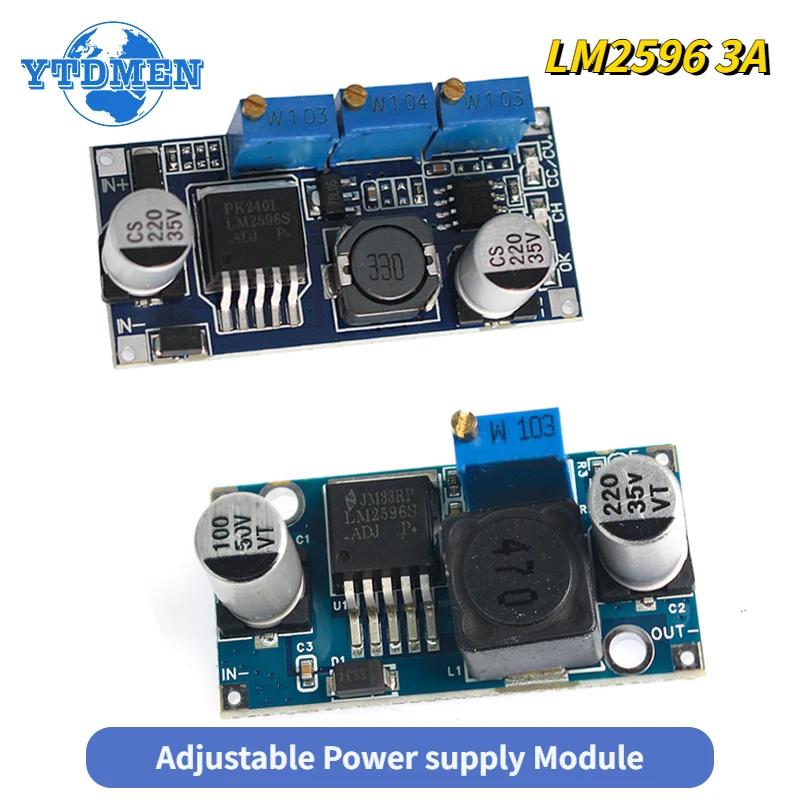
1, the module will be used in domestic high-quality LM2596 chip, high efficiency (92%), while the heat is small, can easily go up to more than 3A current at the same time with the original TI op-amp control output current, so that the overall output is very stable.
2, this module uses low ESR original Sanyo filter capacitors, can make the ripple voltage as low as 50mV!
3, the module will be used in the machine patch, reflow soldering, while each module before shipment after two hours of aging tests to ensure high reliability.
Product Description:
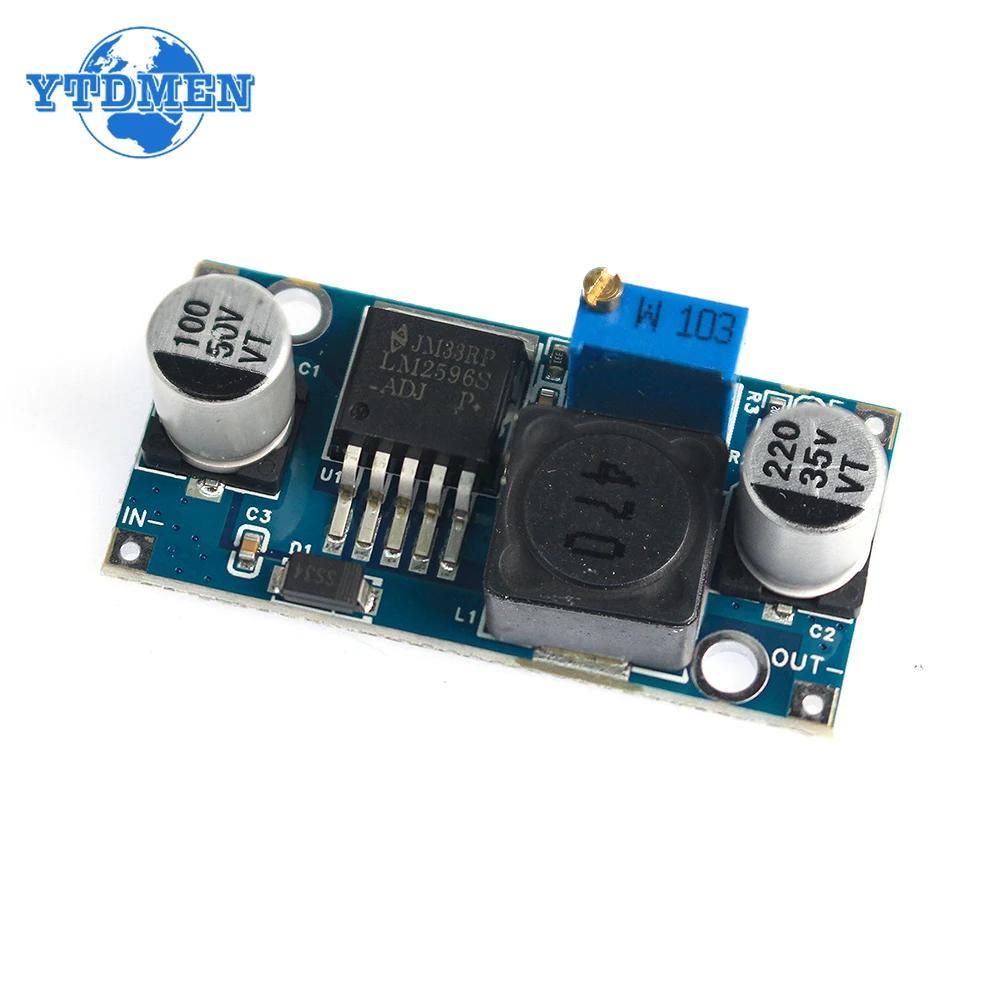
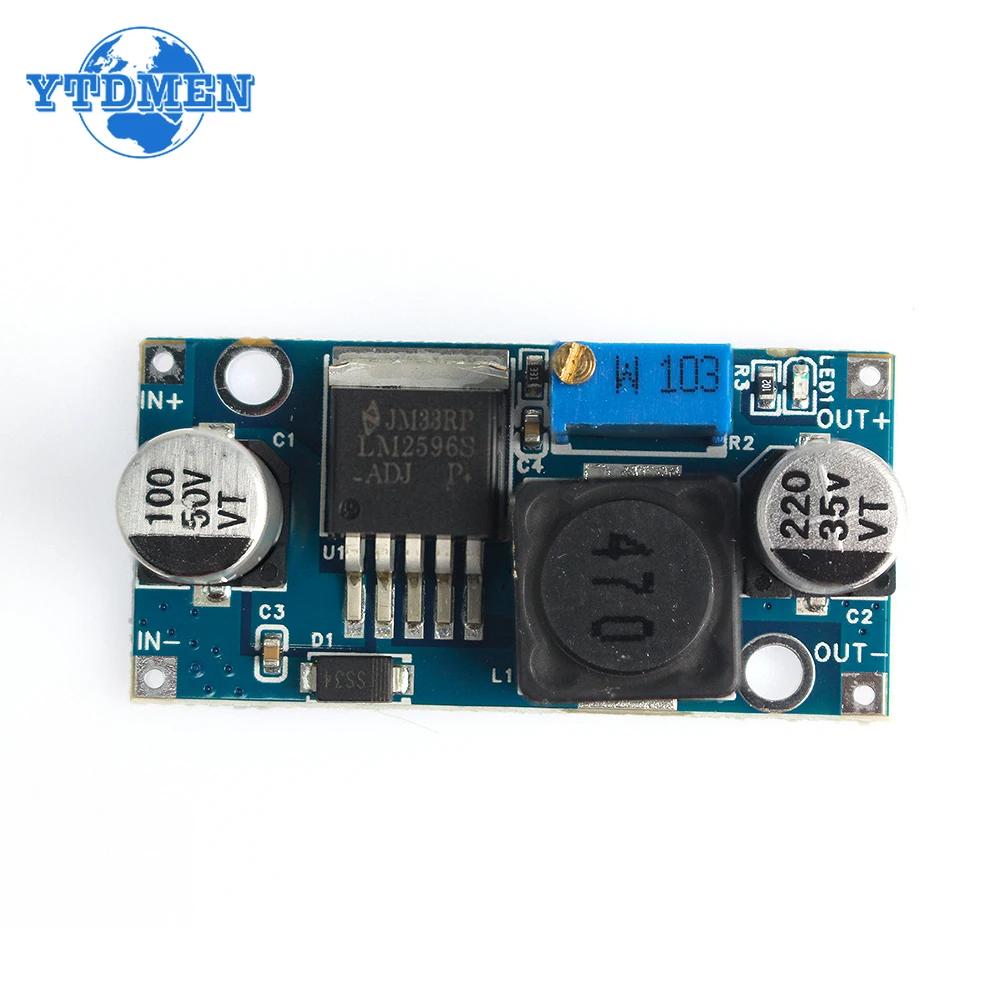
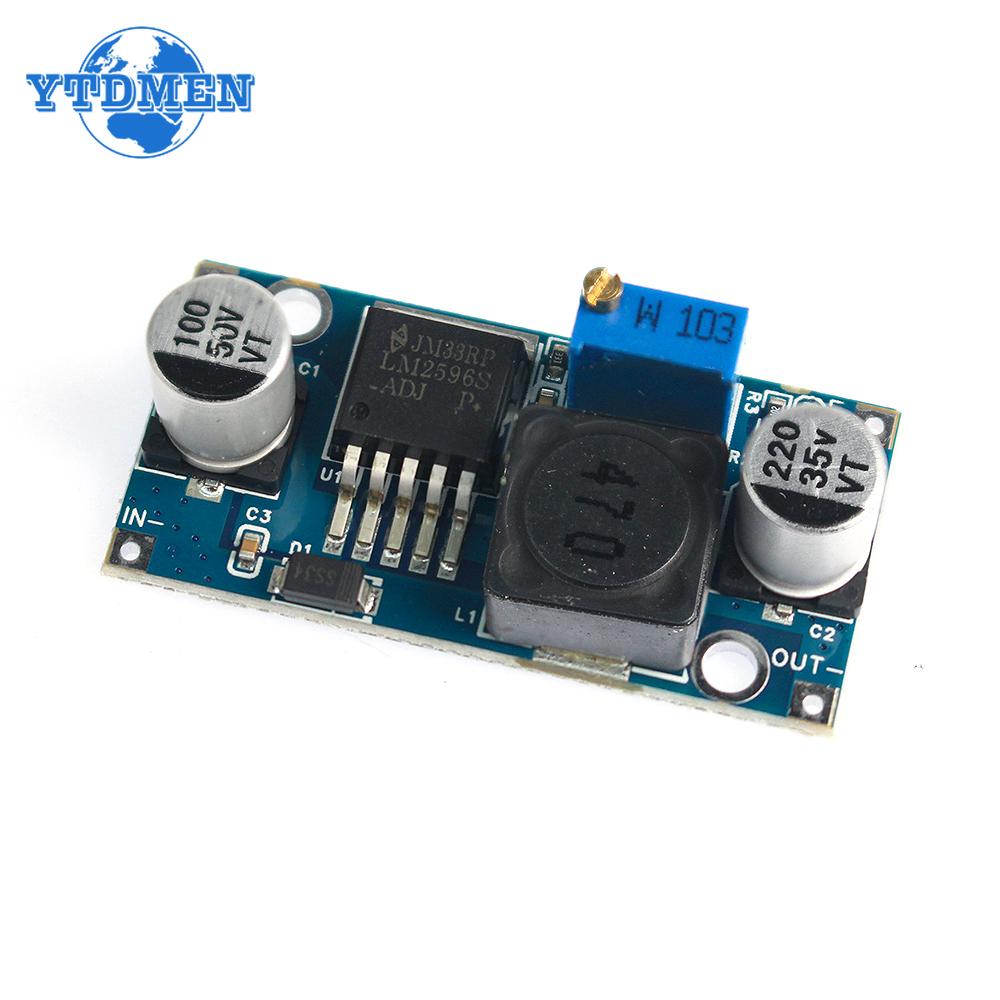
★ This module is an adjustable buck module, you can adjust the module above the blue adjustable resistor to change the output voltage. The input and output voltage difference is 2V, and the minimum output voltage can be 1.23V.
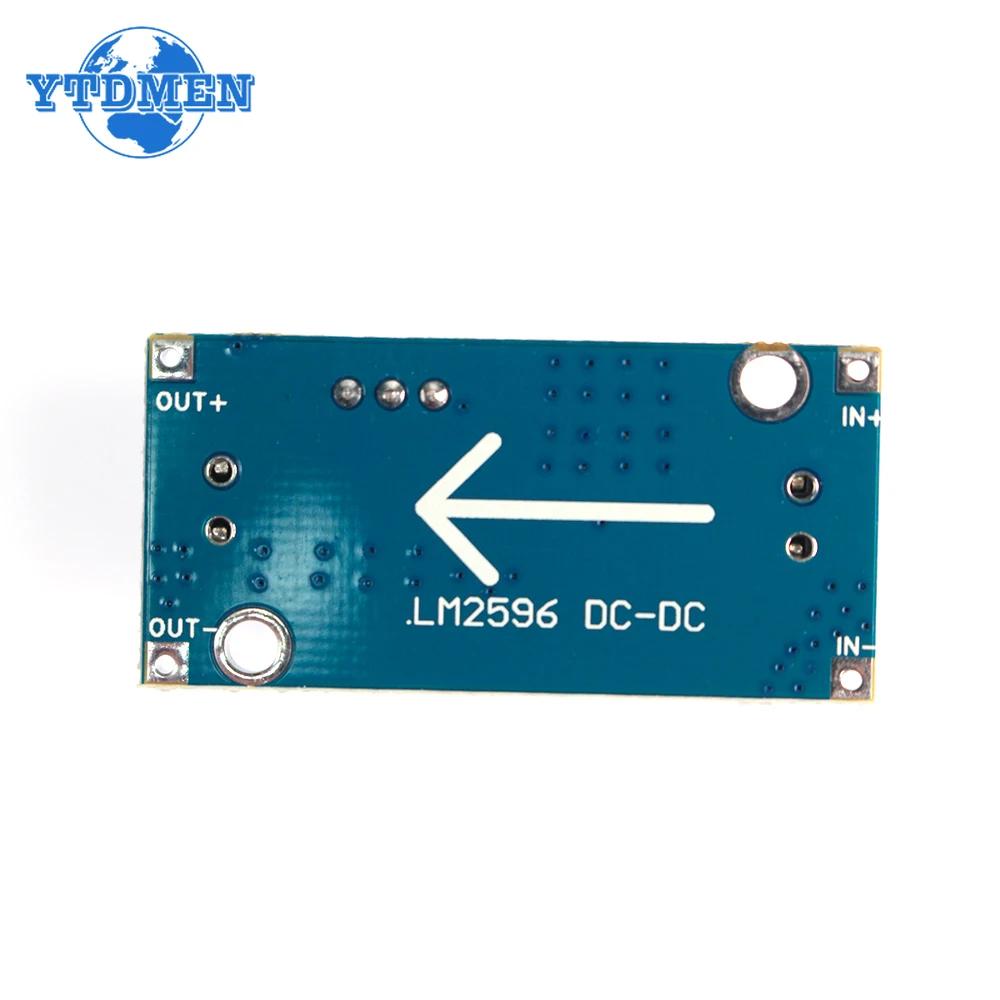
★Module above the indicated IN- (input negative), IN + (input positive), 0 UT- (output negative), 0 UT + (output positive) must be connected correctly, otherwise it may lead to module damage.
★Battery charging How to use:
1. Determine the float voltage and charge current of the battery you need to recharge, the input voltage of the module; 2. Adjust the constant voltage potentiometer, adjust the output voltage to about 5V. 3.
3. Measure the output short-circuit current with 10A current block of multimeter, and adjust the constant current potentiometer to make the output current reach the predetermined value of charging current; 4.
4. Charge the lamp current default shipment for 0.1 times the charging current (constant current value), if you need to adjust the lamp current potentiometer; (generally do not need to adjust)
5. Adjust the constant voltage potentiometer so that the output voltage reaches the float voltage.
6. Connect the battery, test charging.
(1, 2, 3, 4, 5 steps for the module input to the power supply, the output no-load without battery.)
★LED constant current driver Usage:
1. Determine the operating current and maximum operating voltage you need to drive the LED.
2. Adjust the constant voltage potentiometer to adjust the output voltage to about 5V.
3.Measure the output short-circuit current with a multimeter 10A current block, and adjust the constant current potentiometer to make the output current reach the predetermined LED working current.
4. Adjust the constant voltage potentiometer so that the output voltage reaches the LED working voltage; 5. Connect the LED and try the machine.
(1, 2, 3, 4 steps for the module input connected to the power supply, the output no-load not connected to the LEDs.)


 Zwrot w przypadku braku dostawy