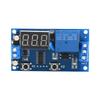
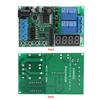
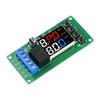
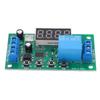
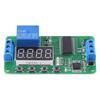
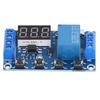
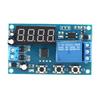
Feature:
1. Power Off Memory Function: Possess power off memory function, no need to reset, convenient and practical
2. 32 Common Functions: Delay relay module contain 32 common functions to meet more application needs
3. 0.01s to 999m Adjustable Delay Time: Delay time range from 0.01 second to 999 minutes adjustable, in line with a variety of application scenarios
4. Control Various Device: Relay board can control solenoid valves, water pumps, motors, light strips, etc. to run freely
5. Control DC or AC Loads Within 5A: The input voltage is DC 7~30V, and the output power can control DC or AC loads within 5A
Specification:
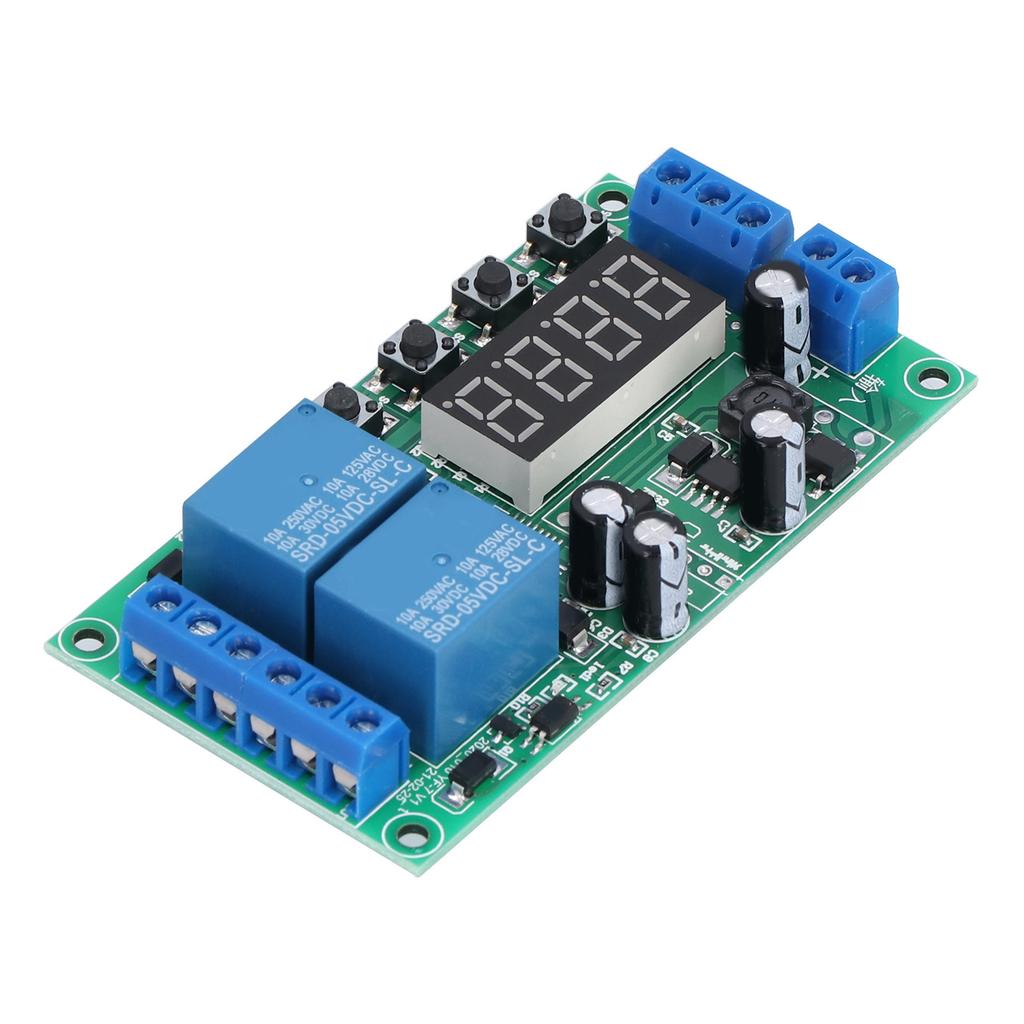
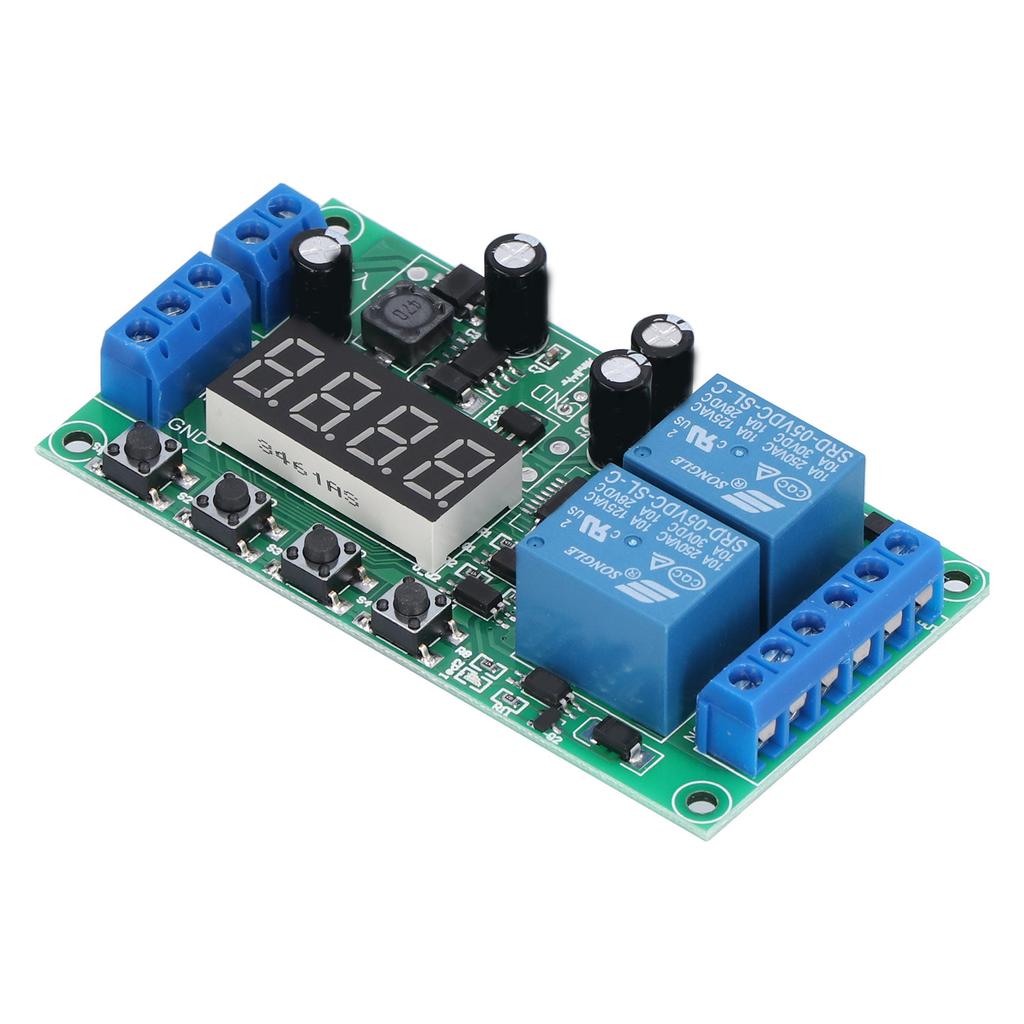
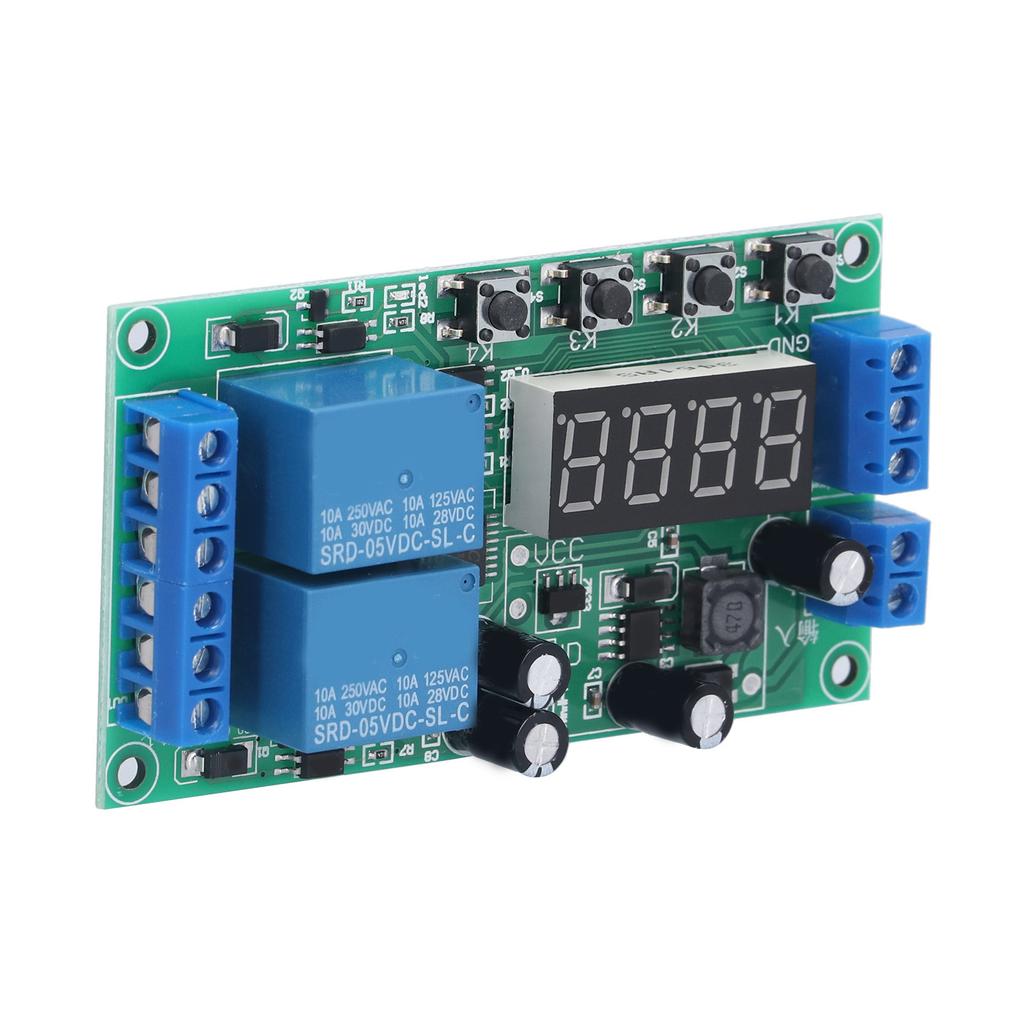
Item Type: Delay Relay Module
Product Model: YF-7
Output Power: Can control DC or AC load within 5A
Time Range: 0.01 second - 999 minutes any time adjustable
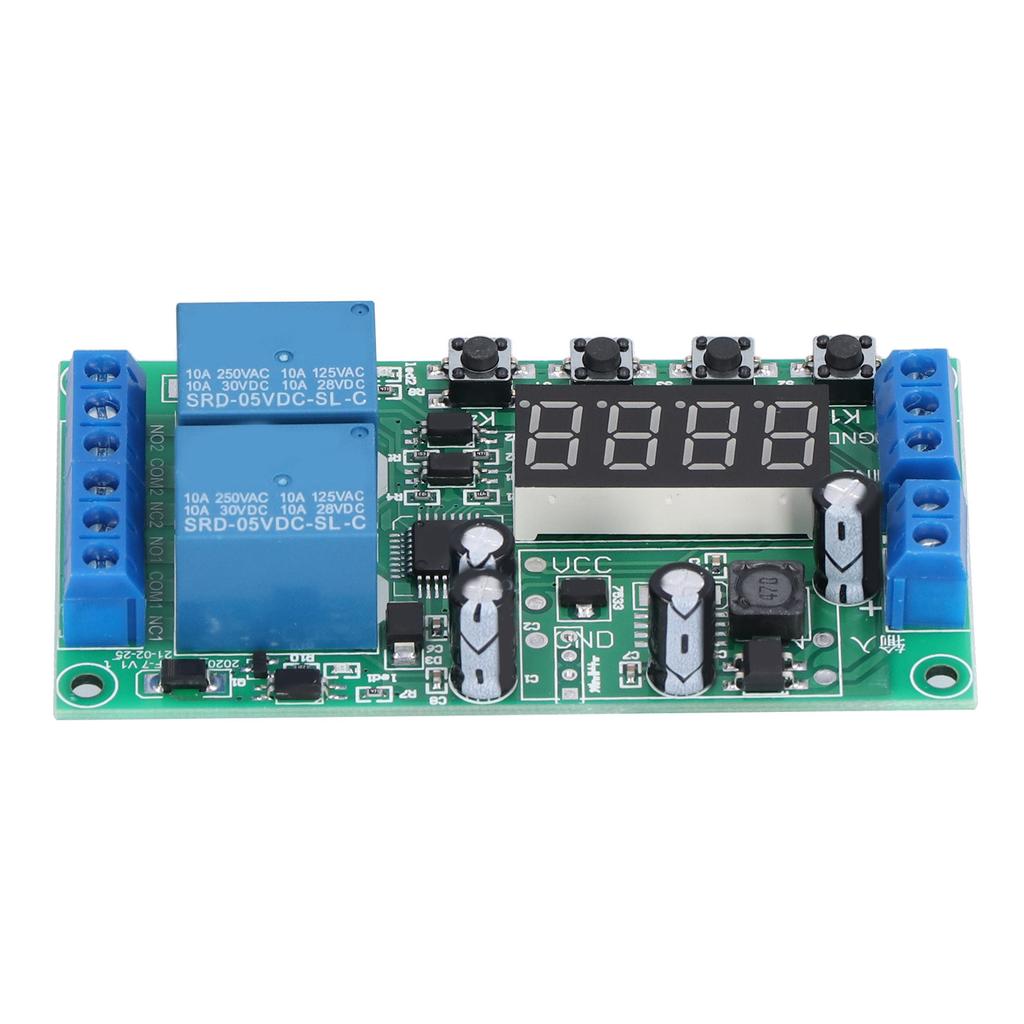
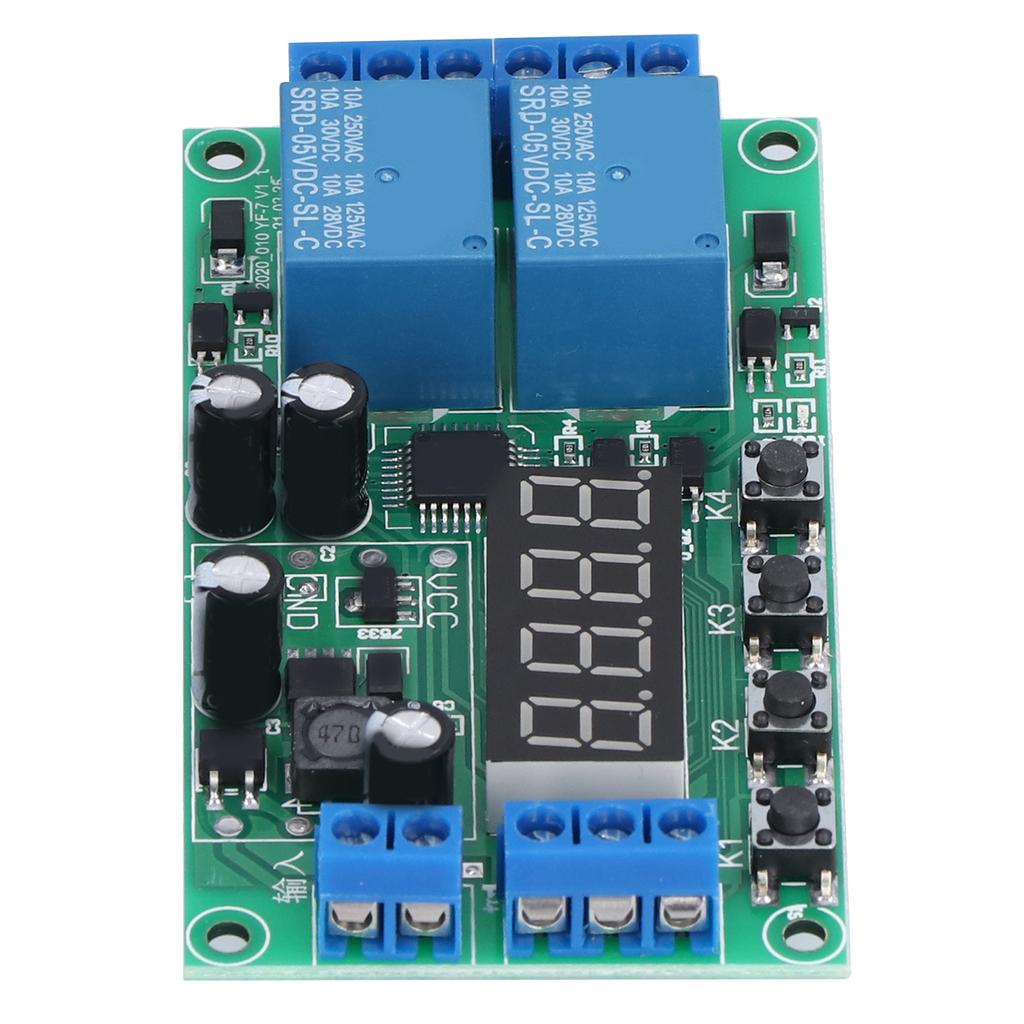
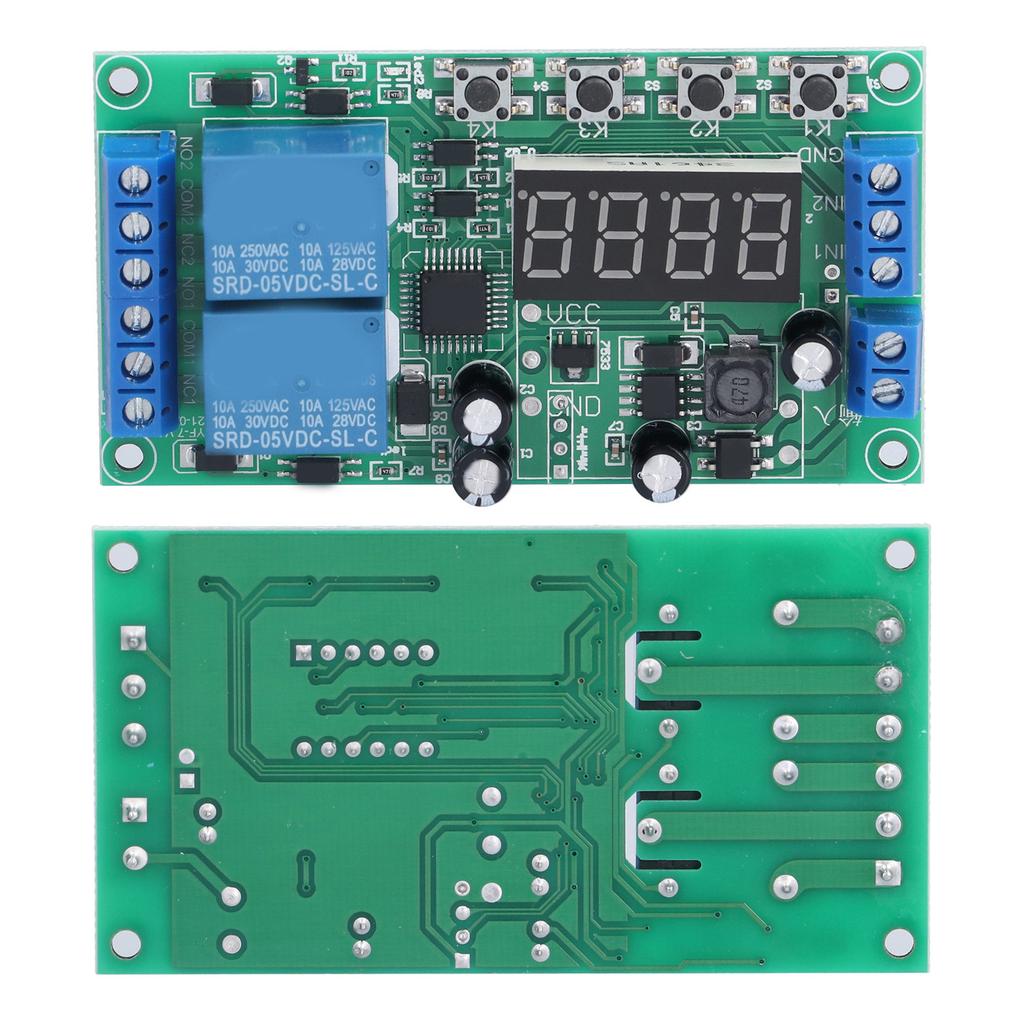
Wiring Port Description:
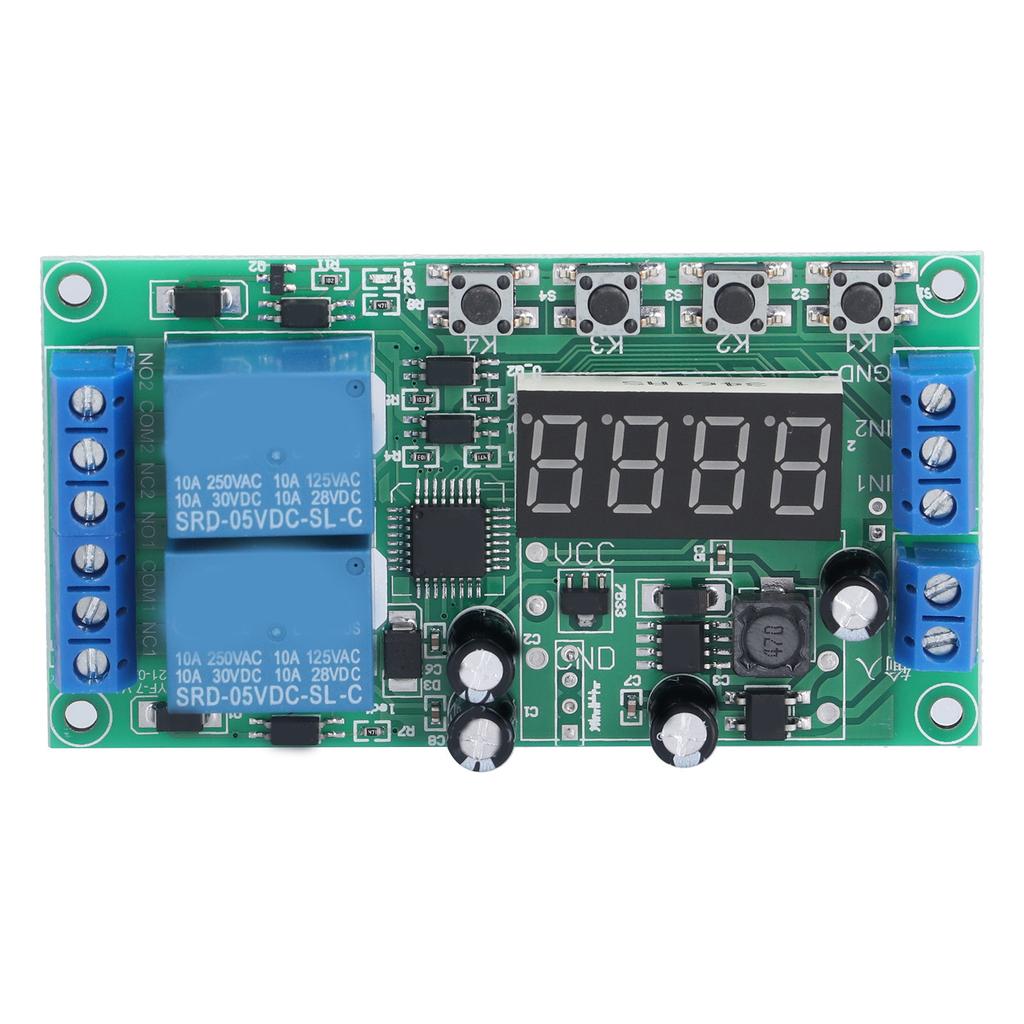
Left 1, +: Input power positive
Left 2, -: Input power negative
Left 3. Signal 1: Positive signal input terminal
Left 4. Signal 2: Positive signal input terminal
Left 5. Common Wire: Negative pole of signal input terminal (signal 1 and signal 2 share a negative pole)
Right 1, Normally Closed 1: Relay 1 normally closed interface, the relay is suspended before being closed, and shorted to COM after being closed
Right 2, Public 1: Relay 1 public interface
Right 3. Normally Open 1: Relay 1 normally open interface, shorted to COM before the relay is closed, and suspended after being closed
Right 4. Normally Closed 2: Relay 2 normally closed interface, the relay is suspended before the pull in, and short circuited with COM after it is pulled in
Right 5. Common 2: Relay 2 common interface
Right 6. Normally Open 2: Relay 2 normally open interface, the relay is short connected with COM before the pull in, and it hangs after pull in
Function List: You can set the function arbitrarily after you buy it, and the manual is provided; any parameter set can be memorized when the power is off
All the functions in P-11 to P-44 are as follows; signal 1 corresponds to relay 1; signal 2 corresponds to relay 2;
The two channels can be triggered at the same time; independent of each other; do not affect each other; the respective relays of the respective signal tubes
P-11: Jog (to pull in the signal relay, the signal disappears and the relay stops)
P-12: Self locking (turn on the signal relay once, and stop the signal relay again)
P-13: Give the signal, and the relay will automatically stop after closing for A second; triggering is invalid during the delay period
P-14: Give the signal, the relay will stop automatically for A second; trigger to re timing during the delay period
P-15: Give the signal, the relay will stop automatically for A second; during the delay period, the superposition timer will be triggered
P-16: Give the signal, and the relay will stop automatically for A second; trigger reset during the delay period
P-17: Give the signal, the relay is closed, the input signal is disconnected, and the power is turned off after the start of timing A second, and the signal is kept output during the delay period, and the timing stops
P-18: After the power is turned on, the relay will be closed immediately, and the power will be turned off after a delay of A seconds; until the next time the power is turned on
P-21: Give the signal, after a delay of A second, the relay is closed
P-22: Give the signal, after more than A second, the relay is closed, the signal disappears, and the relay stops
P-23: After the signal disappears for more than A second, the relay is closed, the signal disappears, and the relay stops
P-24: There is a signal. After A second, the relay is closed. After the signal disappears for more than A second, the relay stops.
P-25: There is a signal. After A second, the relay is closed. When there is another signal for more than A second, the relay stops.
P-26: When there is a signal, the relay will stop after closing for A second, and when the signal disappears, the relay will stop after closing again for A second.
P-27: If there is a pulse signal, the relay stops; if there is no pulse signal, the relay will be closed for A second; (the signal continues or the signal disappears will be regarded as no pulse signal)
P-28: After power on, after a delay of A seconds, the relay will be closed until the power is off
P-31: After power on, the relay is closed for A second, disconnected for B second, infinite loop; power off stops
P-32: When there is a signal, start P-31 infinite loop; when the signal disappears, terminate the loop
P-33: Give a signal to start P-31 infinite loop; give another signal to terminate the loop
P-34: After power on, the relay will be closed after a delay of A seconds, and stop after being closed for B seconds
P-35: There is a signal, after a delay of A second, the relay will be closed, and the relay will be closed after being closed for B seconds.
P-36: When there is a signal, after A second, the relay will be closed, and after B second, the relay will stop, the signal disappears, and the timer will be cleared and stopped.
P-37: If there is a signal, the relay will stop automatically for A second when the relay is closed, and then it will count for B seconds after it stops. The signal trigger is invalid within the time A+B.
P-38: When there is a signal, the relay will automatically stop when it is closed for A second, and after stopping and counting for B seconds, it will stop automatically when it is closed again for A second.
P-41: No action when there is a signal; trigger when the signal disappears; the relay is disconnected after a delay of A time
P-42: The signal disappears, after delaying time A, the relay works; working time B ends
P-43: The signal disappears. After the time A exceeds, the relay works; the working time B ends
P-44: After giving the signal more than A times, the relay will be closed for B seconds and stop
P-45: After power on, relay 1 will work for A second and then disconnect; Relay 2 will work for B second and disconnect
P-46: Give signal 1, after relay 1 works for A seconds and disconnects; relay 2 works for B seconds and disconnects
P-47: Give signal 1, after relay 1 works for A second; relay 2 starts to work; after B second, relays 1, 2 are disconnected at the same time
P-48: After power on, relay 1 works for A seconds and then disconnects; stops for B seconds; relay 2 works for C seconds and disconnects and stops for D seconds; cycle
Button Setting Instructions: Power on display "————" means entering the standby state;
Press K1 For The First Time, (it Takes More Than 1 second to be effective to prevent false triggering) Display: P-11: K2 adjustment main mode, K3K4 adjustment function
Press K1 For The Second Time, The Screen Displays: A00x: K2 and K3 adjust the first time A, K4 adjusts the decimal point (time unit)
Press K1 For The Third Time, The Screen Displays: b00x: K2 and K3 adjust the second time B, K4 adjusts the decimal point (time unit)
Press K1 The Fourth Time, The Screen Displays: C00x: K2 and K3 adjust the second time B, K4 adjusts the decimal point (time unit)
Press K1 For The 5th Time, The Screen Displays: d00x: K2 and K3 adjust the second time B, K4 adjusts the decimal point (time unit)
Press K1 for the 6th time, display "————" to indicate that the setting is completed and enter the standby state
Press K4 in standby mode to permanently turn off/on the display and switch to low power consumption mode
Package List:
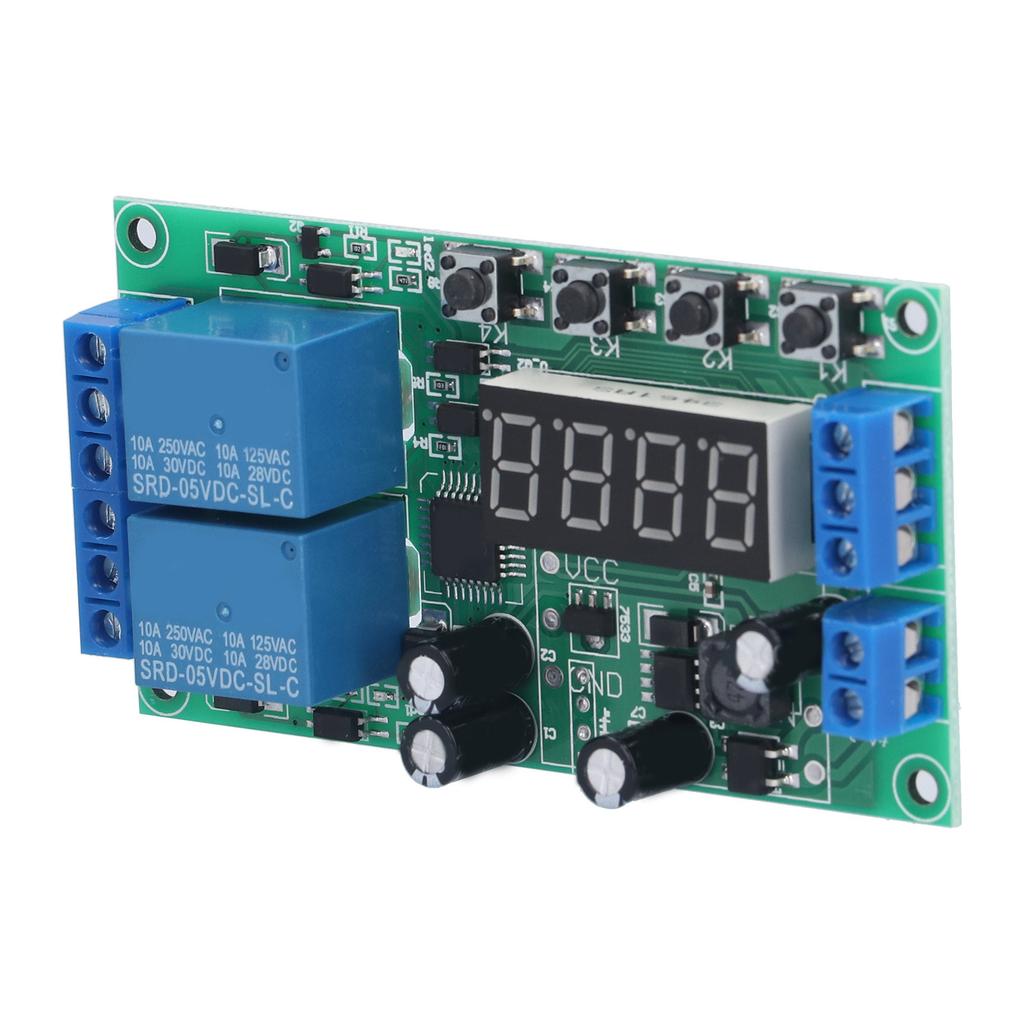
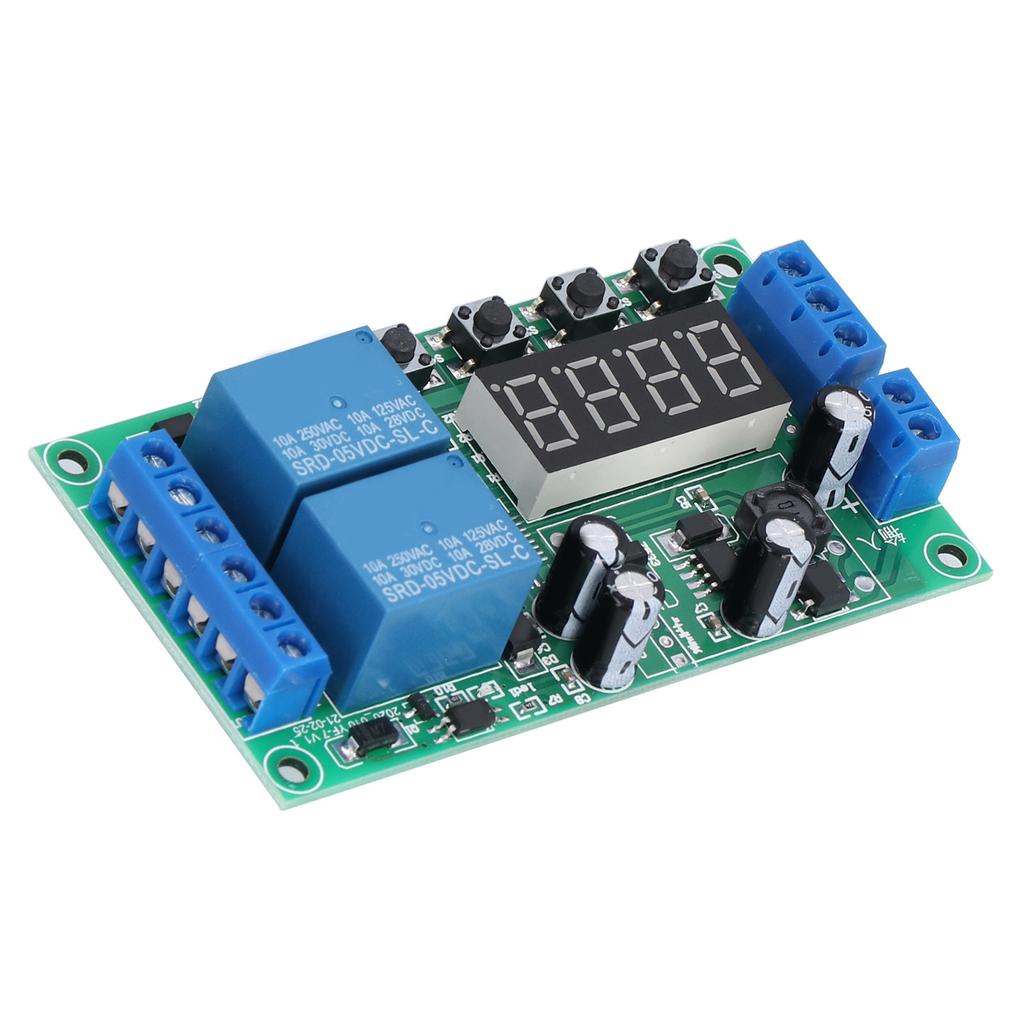
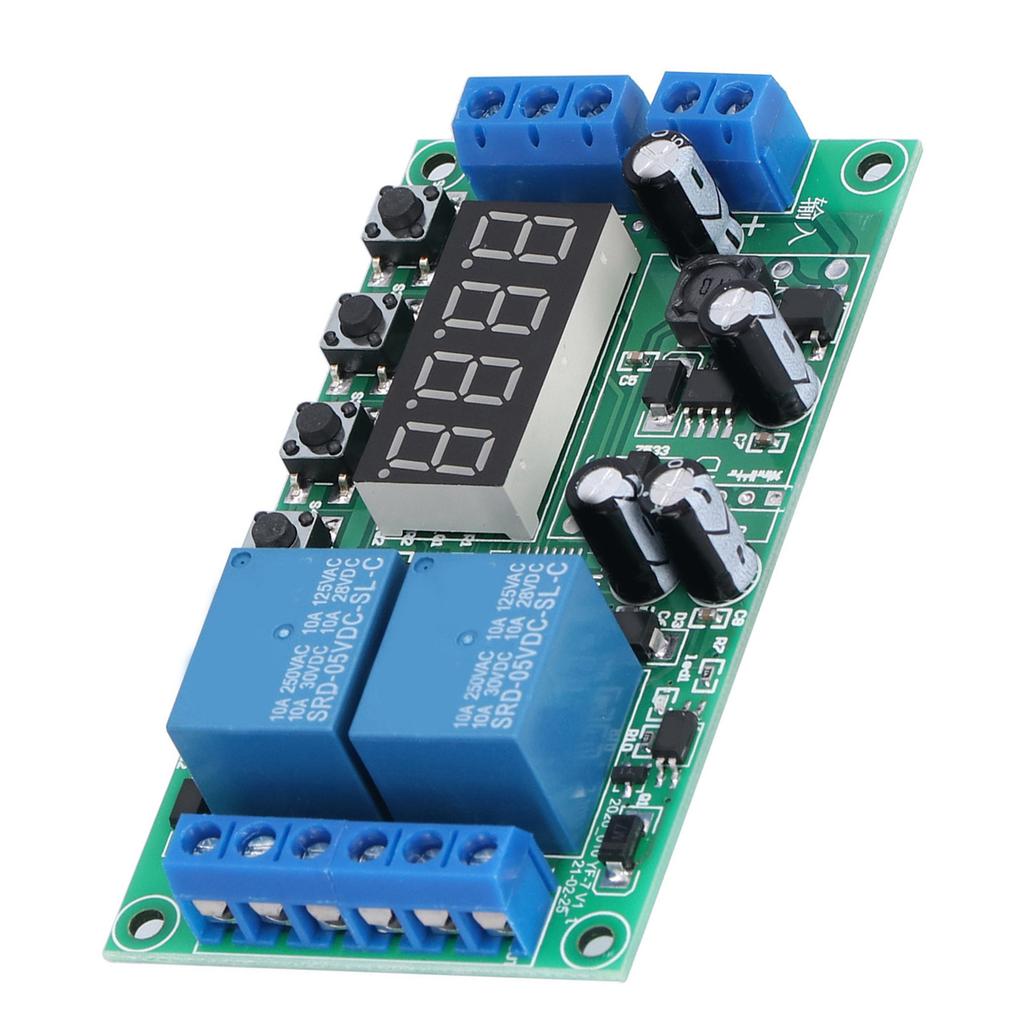
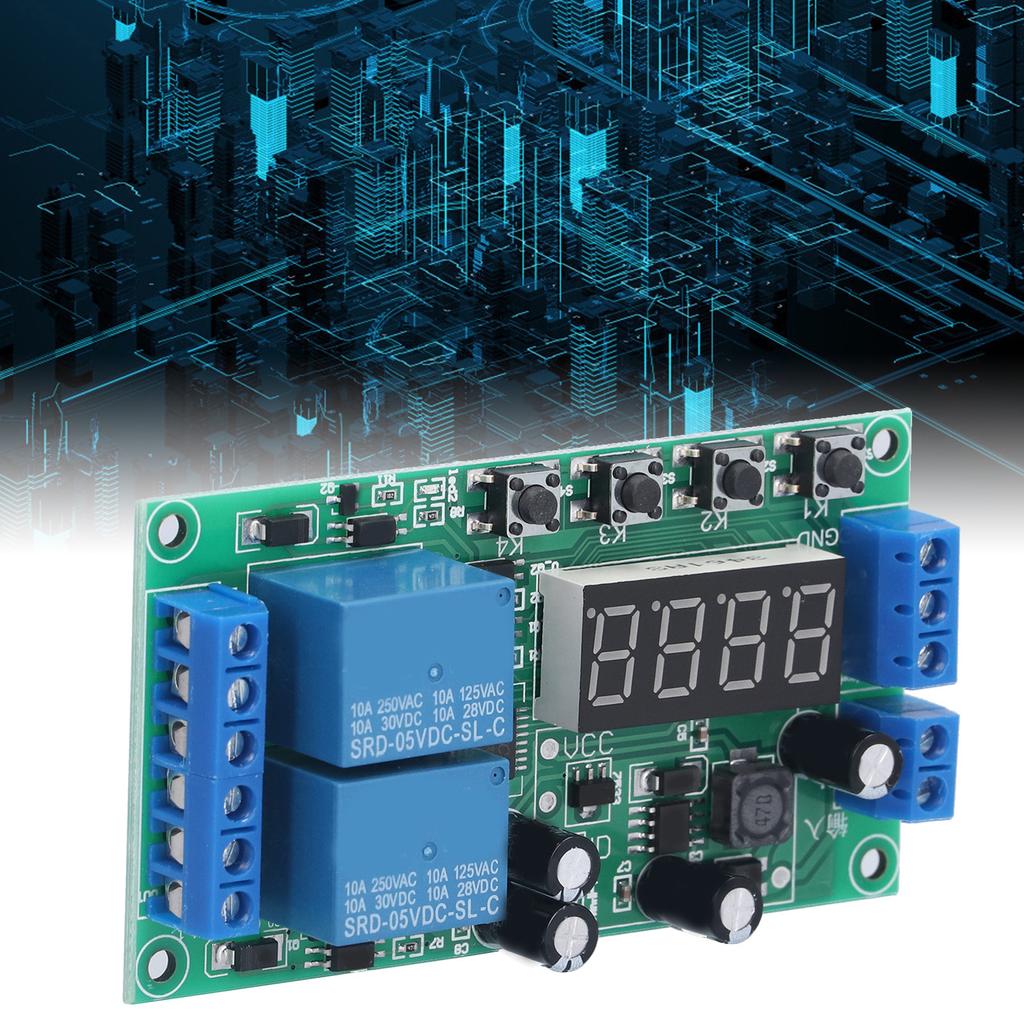
1 x Delay Relay Module


 Zwrot w przypadku braku dostawy